Cosmetic Dentistry Bakersfield CA for Discolored Teeth Solutions
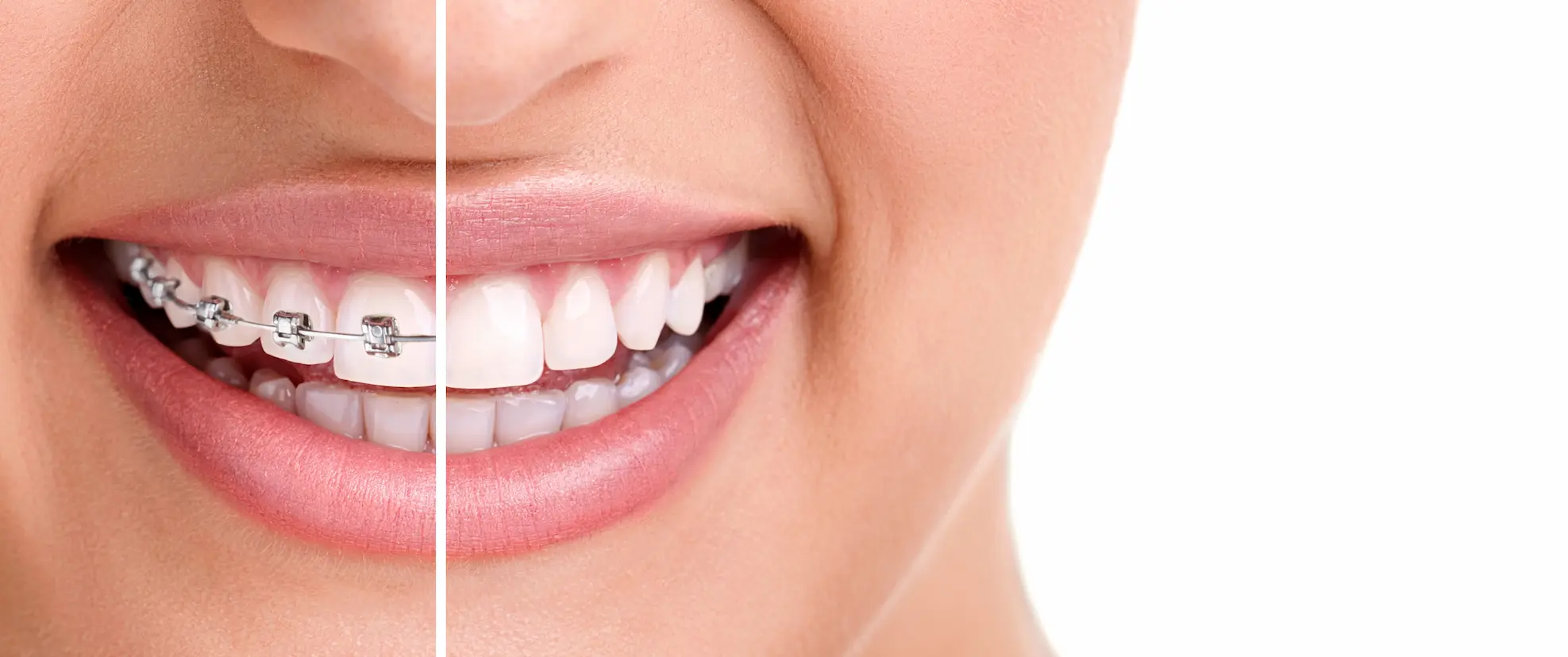
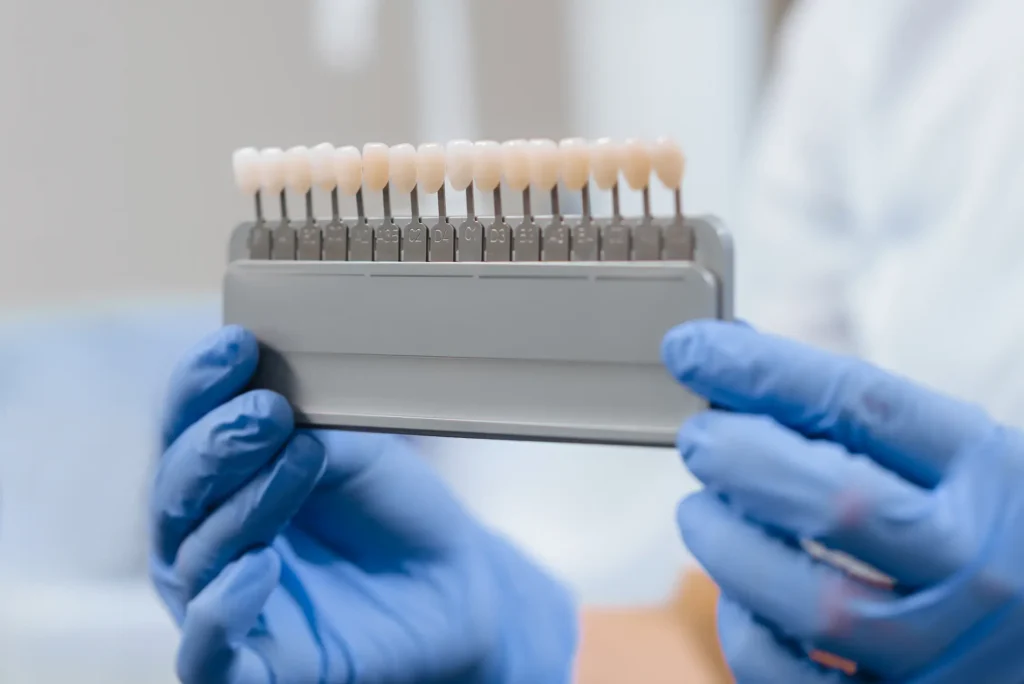
A bright smile means different things to different people. For one patient, it is about looking polished in professional settings. For another, it is finally feeling comfortable in family photos without editing or tight-lipped smiles. When people search for Cosmetic Dentistry Bakersfield CA, they are often dealing with one very specific frustration: teeth that look darker, yellower, patchier, or older than they feel.
Discoloration sounds simple on paper, but it rarely is. Teeth can stain on the surface, darken from within, develop white or brown spots, or shift in color after years of wear, medications, dental work, or injury. The solution depends on why the color changed in the first place. That is where cosmetic dentistry becomes less about vanity and more about judgment. A good treatment plan does not start with a whitening kit. It starts with understanding the stain.
Not all discoloration behaves the same way
One of the most common mistakes patients make is assuming every stain will respond to bleaching. Some do, and some absolutely do not. That distinction matters because it affects cost, timeline, and expectations.
Surface stains, often called extrinsic stains, usually come from coffee, tea, red wine, tobacco, richly pigmented foods, and the natural buildup that settles into plaque and tartar over time. These are the cases where a professional cleaning or whitening treatment can make a noticeable difference.
Intrinsic discoloration is different. The color change sits deeper within the tooth structure. It may come from trauma, certain medications, aging enamel, old dental materials, or developmental changes. A tooth that darkened after a sports injury, for example, may not lighten evenly with standard whitening. White spots from enamel development or post-braces demineralization also need a more tailored approach. In those cases, bonding, veneers, internal bleaching, or a combination treatment may make more sense than repeatedly trying stronger whitening gel.
Age also changes the equation. As enamel thins over the years, more of the naturally yellower dentin underneath becomes visible. That is not necessarily a stain at all. It is anatomy. You can brighten it to a degree, but you cannot treat it like fresh coffee discoloration on teenage enamel.
The first appointment often saves people time and money
In practice, some of the best cosmetic outcomes happen because a dentist says no to the first thing a patient asks for. A patient may come in asking for whitening, yet what they really need is a cleaning, replacement of old mismatched fillings on the front teeth, or a conversation about why one tooth looks gray after an old injury.
A proper cosmetic exam for discolored teeth usually includes a visual shade assessment, evaluation of existing restorations, a review of sensitivity, and a close look at gum health. If there is decay, worn enamel, untreated grinding, or leaking fillings, those issues should be handled before cosmetic work. Whitening a mouth with active problems is rarely a good idea.
There is also a practical point many people do not realize until they are in the chair: crowns, fillings, and veneers do not whiten like natural enamel. If your front teeth have visible restorations, brightening the surrounding teeth may make those old materials stand out more. That does not mean whitening is off the table, only that sequencing matters. In many cases, dentists whiten first, let the shade stabilize, then match any replacement restorations to the new color.
Professional cleaning can change more than people expect
It is not glamorous, and it is not always the answer patients want, but a professional cleaning is often the right first step for stained teeth. Hardened tartar can hold deep discoloration, especially behind lower front teeth and near the gumline. Once that buildup is removed, the smile may already look significantly fresher.
I have seen patients convinced they needed veneers leave a hygiene visit looking several shades better. Not perfect, but improved enough to slow down and think carefully before committing to more aggressive treatment. That matters because cosmetic dentistry works best when it is conservative. If a simple cleaning and polishing gets you 30 to 40 percent of the way there, that is useful information. You can then decide whether the remaining discoloration justifies whitening, bonding, or porcelain.
Whitening works well, but only in the right case
Professional whitening remains one of the most popular treatments in Cosmetic Dentistry Bakersfield CA because it is less invasive than veneers or crowns and often produces visible improvement quickly. But whitening is not one single procedure. There are different delivery systems, strengths, and expectations.
In-office whitening can brighten teeth faster because higher-strength materials are used under supervision. It is Cosmetic Dentistry Bakersfield CA a good fit for patients who want a more immediate result, have an event approaching, or simply do better with a single supervised appointment. Custom take-home trays tend to be more gradual but can offer excellent control. They are especially useful for people with a history of sensitivity because wear time and frequency can be adjusted.
Over-the-counter strips and paint-on products can help mild staining, but they come with limitations. The fit is generic, the contact may be uneven, and patients often overuse them in hopes of speeding things up. That is where sensitivity and blotchy results start to show up.
A sensible whitening discussion usually covers these points:
- What kind of discoloration you have, surface staining versus deeper internal darkening
- How sensitive your teeth already are
- Whether visible fillings or crowns will create a color mismatch afterward
- How white is realistic for your enamel, age, and starting shade
- How much maintenance you are willing to do after treatment
That last point matters more than most marketing suggests. Whitening is not permanent. Coffee, tea, tobacco, and simply being alive in a mouth full of porous enamel will gradually pull the color back down. Maintenance does not always mean frequent retreatment, but it does mean accepting that brightness fades over time.
White spots, brown spots, and uneven color need a different strategy
One of the trickiest cosmetic complaints is not overall yellowing but patchiness. White spots, opaque streaks, small brown areas, and uneven enamel color can be more distracting than generalized staining because the eye catches contrast first.
These cases are where artistic dentistry starts to matter. A patient may say, “I do not need movie-star white teeth. I just want them to look even.” That is often a very reasonable goal, and sometimes it is easier to achieve than ultra-bright whitening.
Depending on the cause, a dentist may recommend enamel microabrasion, resin infiltration, bonding, or veneers. Microabrasion can improve certain superficial enamel irregularities. Resin infiltration, when appropriate, can reduce the contrast of some white spot lesions by changing how light passes through the enamel. Bonding can cover isolated defects with minimal reshaping. Veneers may be the best answer when discoloration is extensive, resistant, or paired with shape concerns.
The important thing is not to promise a one-size-fits-all fix. Some white spots become more obvious during whitening before the color evens out later. Some do not. That is why a careful consultation is more valuable than a generic online before-and-after gallery.
When one tooth is darker than the rest
A single dark tooth tells a different story from a generally stained smile. Often there is a history behind it: an old fall, a hit during sports, a root canal, or internal bleeding within the tooth after trauma. Patients sometimes notice this years after the original injury and assume it is just aging. It may not be.
This is where diagnosis comes before cosmetics. A darkened tooth can be stable and simply discolored, or it can signal a deeper dental issue that needs treatment. Once the tooth is healthy and properly evaluated, cosmetic options may include internal bleaching for a root canal-treated tooth, external whitening of surrounding teeth, bonding, or a veneer or crown depending on structure and aesthetics.
The challenge is blending. Human teeth are not flat white rectangles. They reflect light differently from edge to gumline and often have subtle translucency at the incisal edge. Matching one front tooth to its neighbor takes skill. It is the kind of work that separates decent cosmetic dentistry from work that keeps catching your eye in every mirror.
Veneers are powerful, but they should not be the default
Porcelain veneers get a lot of attention because they can create dramatic, polished results. They are particularly useful when discoloration is severe, when teeth also have shape or spacing issues, or when previous whitening attempts have plateaued. They can mask deep staining that would never fully lift with bleach.
Still, veneers should be chosen for the right reasons. They are a restorative commitment, not a beauty filter. The tooth usually needs some degree of preparation, and the final result depends heavily on planning, tooth proportion, bite relationship, and material choice. Veneers done well can look natural and refined. Veneers done aggressively or without regard to facial balance can look bulky, overly opaque, or too bright for the person wearing them.
I have seen patients who were told they needed ten veneers when their actual concern was three stained front teeth and one chipped edge. In a thoughtful practice, the question is not “What can we do?” but “What is the least invasive approach that achieves the result you want?”
Bonding often deserves more credit
For the right patient, composite bonding is one of the most useful tools in cosmetic dentistry. It can mask localized discoloration, reshape worn edges, close small spaces, and improve symmetry, often in a single visit. It is more conservative than veneers and usually more affordable.
That does not mean it is always the best long-term aesthetic option. Bonding can stain over time and may need polishing, touch-ups, or replacement sooner than porcelain. Yet in real practice, many patients value flexibility. A young adult with white spots and mild edge wear may not be ready for veneers, but bonding can deliver a real cosmetic improvement while preserving tooth structure.
This is the kind of trade-off that should be explained plainly. Porcelain usually holds gloss and color better. Composite usually preserves more enamel and costs less upfront. Neither is “better” in the abstract. It depends on the tooth, the habits, the budget, and the patient’s priorities.
Old dental work can make discoloration more complicated
A common frustration in cosmetic cases is the patchwork smile. Natural teeth may yellow with age while older fillings stay lighter, or the reverse can happen if composite staining outpaces the surrounding enamel. Crowns placed years apart may no longer match one another. Gum recession can reveal darker root surfaces near otherwise bright teeth.
This is why cosmetic treatment planning often happens in stages. Whitening the natural teeth first provides a new baseline. After that, visible restorations can be reevaluated and replaced only where needed. That staggered approach usually produces a better match than replacing everything at once without first addressing the underlying tooth shade.
Patients are sometimes surprised by how long this process takes. Cosmetic work can involve a period of waiting after whitening so the final shade stabilizes. That is not delay for delay’s sake. It improves accuracy.
Sensitivity is real, and it should be managed, not dismissed
Anyone considering whitening should know that sensitivity is common, but it is usually manageable. It can show up as brief zingers with cold air, chilled water, or sweets. In most cases it settles after treatment, but people with recession, thin enamel, cracked teeth, or untreated grinding may feel it more intensely.
The best cosmetic dentists do not shrug this off. They adapt the plan. That may mean shorter wear times with take-home trays, lower-concentration gel, spacing out in-office sessions, treating gum recession first, or using desensitizing products before and after whitening. Pushing through pain rarely produces better results. It usually just makes people quit halfway.
One practical detail many patients appreciate hearing upfront is that brighter is not always better. If your teeth improve by several shades and still look natural, that may be a stronger result than chasing the palest possible tone and ending up sore, uneven, or dissatisfied.
What Bakersfield patients often ask before choosing treatment
People weighing Cosmetic Dentistry Bakersfield CA generally ask sensible, practical questions. How long will it last? Will it hurt? Will everyone be able to tell I had work done? Can I do this in steps? Those questions are better than asking for the “best” procedure in the abstract, because cosmetic dentistry is personal. The best option is the one that fits the biology and the lifestyle.
For patients with modest staining and healthy enamel, whitening may be all they need. For someone with tetracycline staining, old trauma, or visible mismatched restorations, whitening alone may underdeliver. For a patient with enamel defects and a limited budget, strategic bonding may be the smartest move. The right answer often sits between ideal and realistic, which is where experienced clinical judgment comes in.
A useful way to compare common options
| Treatment | Best for | Main advantages | Limits to know | | --- | --- | --- | --- | | Professional cleaning | Surface stain and buildup | Conservative, affordable, immediate freshness | Will not change deeper internal color | | Professional whitening | General yellowing or brown surface stain | Noninvasive, noticeable improvement, flexible options | Temporary, may cause sensitivity, does not change crowns or fillings | | Composite bonding | Localized discoloration, chips, uneven areas | Conservative, often single visit, shape and color correction together | Can stain and wear sooner than porcelain | | Porcelain veneers | Deep discoloration, shape issues, more dramatic makeover | Strong aesthetics, color stability, broad cosmetic correction | More invasive, higher cost, requires careful planning | | Crown replacement or restoration updates | Mismatched older dental work | Improves uniformity and function when needed | Not every stained tooth needs a crown |
The consultation should feel specific, not scripted
A strong cosmetic consultation does not sound like sales copy. It sounds specific. The dentist should be able to point to individual causes of discoloration, explain what is and is not likely to improve, and discuss how your existing dental work affects the plan. They should also be able to talk about maintenance without pretending any result lasts forever untouched.
If you hear promises of perfect whiteness in every case, be cautious. Teeth are living structures with variation, history, and limitations. The more honest the discussion is at the beginning, the better the chance you will actually like the result.
It is also reasonable to ask for phased options. Sometimes the best plan starts small. A cleaning, a whitening trial, then a reassessment. If one tooth still bothers you, maybe that tooth gets bonding or a veneer rather than treating the whole smile aggressively. Cosmetic dentistry does not have to be all or nothing.
Keeping the result looking good
Once discoloration has been improved, maintenance becomes the quiet part of success. This does not require perfection. It requires consistency. If someone drinks coffee daily, whitening can still work well, but touch-up timing may be different from someone who avoids staining drinks entirely. Smokers, heavy tea drinkers, and patients with dry mouth often notice faster relapse.
A practical maintenance routine usually includes a few habits:
- Stay current with cleanings so new stain and tartar do not build up
- Use any dentist-recommended whitening touch-up system conservatively, not constantly
- Rinse with water after strongly pigmented drinks when brushing right away is not practical
- Address grinding, clenching, or acid wear if those habits are dulling or damaging enamel
- Replace aging front fillings when they begin to discolor and stand out
There is no need to live like every meal is a threat to your Cosmetic Dentistry Bakersfield CA smile. But if you invest in cosmetic treatment, a little upkeep protects that investment.
The real goal is a smile that looks healthy, not artificial
The most successful cosmetic cases are not always the whitest. They are the ones that look believable on the person wearing them. Healthy brightness, even color, clean contours, and proportion often matter more than chasing an extreme shade. A smile can be improved dramatically without looking fake.
That is especially true for discolored teeth, where the emotional burden is often larger than outsiders realize. People adapt to hiding their teeth. They smile with closed lips, angle away from cameras, or cover their mouths while laughing. When discoloration is treated well, the change is not just visual. People stop managing around the problem.
For anyone exploring Cosmetic Dentistry Bakersfield CA, that is the real standard to use. Not whether the result looks flashy under showroom lighting, but whether it feels natural when you talk, laugh, and see yourself in ordinary mirrors on ordinary days. A good cosmetic plan respects biology, preserves structure where possible, and solves the actual color problem instead of selling a trend.
Discolored teeth can usually be improved, often significantly. The best route depends on the cause, the condition of the enamel, the presence of old dental work, and the level of change you truly want. When those pieces are understood from the start, the result tends to be not just brighter teeth, but better decisions.
Toothworks of Bakersfield, Dentist and Orthodontist
Address: 1030 H St #1, Bakersfield, CA 93304
Phone number: +16613239421
FAQ About Cosmetic Dentistry Bakersfield CA
What is considered cosmetic dentistry?
Cosmetic dentistry includes any dental treatment focused primarily on improving the appearance of your teeth, gums, or bite rather than treating a disease or restoring basic function.
How much does cosmetic dentistry usually cost?
The cost of cosmetic dentistry typically ranges from a few hundred dollars for minor touch-ups to over $20,000 for a comprehensive smile makeover, depending entirely on the specific procedure, materials used, and how many teeth are treated. Because most cosmetic treatments are elective, they are usually paid out of pocket without insurance coverage.
Is there a difference between a regular dentist and a cosmetic dentist?
Yes, a regular dentist focuses on your overall oral health and preventing disease, while a cosmetic dentist focuses on improving the look of your smile.